
Guide complet du casino en ligne : tout ce que vous devez savoir en 2026

Le marché des jeux d’argent sur internet explose depuis quelques années : la puissance des serveurs cloud, la montée de la réalité augmentée et l’essor des paiements instantanés ont transformé l’expérience du joueur français. En 2026, plus de six millions de Français déclarent jouer régulièrement sur des plateformes numériques, attirés par la diversité des offres et par la possibilité de profiter d’un divertissement accessible depuis un smartphone ou un ordinateur fixe.

Pour s’y retrouver parmi cette multitude d’options, Basketnews.Net s’impose comme le guide de référence qui teste chaque opérateur selon des critères stricts d’équité et de transparence. Vous y trouverez chaque jour les classements les plus à jour ; c’est pourquoi nous vous recommandons de consulter le nouveau casino en ligne dès que vous débutez votre recherche, afin d’éviter les arnaques et les sites mal régulés.

Ce guide se décompose en cinq parties essentielles : comment choisir le bon casino en ligne, le cadre juridique français, les jeux phares qui dominent le marché, les bonus et programmes VIP à ne pas manquer, et enfin les mesures de sécurité informatique ainsi que le jeu responsable. Suivez‑le pas à pas pour faire vos premiers dépôts l’esprit tranquille et profiter pleinement de chaque spin ou main distribuée.

Choisir le bon casino en ligne

Les licences sont le premier filtre à appliquer : un opérateur doit être titulaire d’une autorisation délivrée par l’ANJ (ex‑ARJEL) pour proposer ses services aux joueurs français. Cette licence garantit que le site respecte les exigences de protection des mineurs, d’équité et de lutte contre le blanchiment d’argent. Consultez toujours la page « licence » du site et vérifiez qu’elle figure clairement dans le pied de page ; Basketnews.Net recense systématiquement ces informations dans ses fiches techniques.

La variété des jeux est également décisive. Un bon casino réunit plusieurs fournisseurs renommés – NetEnt, Microgaming, Play’n GO – afin d’offrir une sélection couvrant machines à sous vidéo (plus de 500 titres), tables de roulette classiques ou live, poker cash & tournois ainsi que des jackpots progressifs tels que Mega Moolah ou Divine Fortune. Plus la palette est large, plus vous avez la chance de découvrir des titres à forte volatilité ou à RTP élevé (≥96 %).

L’interface doit être fluide tant sur desktop que sur mobile. Testez la vitesse de chargement d’une partie demo : si le temps d’attente dépasse trois secondes, l’expérience risque d’être frustrante pendant vos sessions réelles où chaque milliseconde compte pour placer une mise avant une hausse soudaine du jackpot. Une navigation intuitive avec filtres par catégorie ou par fournisseur accélère la recherche du jeu souhaité.

Comparer les avis utilisateurs n’est jamais suffisant ; il faut croiser ces retours avec les classements indépendants publiés par Basketnews.Net qui intègrent aussi bien les résultats d’audits RNG que les taux de satisfaction client mesurés après support live chat ou email. Une astuce souvent négligée consiste à ouvrir un compte démo gratuit : vous pourrez tester toutes les fonctionnalités du site – dépôt minimum fictif, limites de mise, processus KYC – avant d’engager votre argent réel et ainsi éviter les mauvaises surprises liées aux conditions cachées des bonus.

Cadre juridique et fiscal du jeu en ligne en France

Depuis la création de l’Autorité Nationale des Jeux (ANJ) en 2010, la législation française a connu plusieurs étapes majeures visant à encadrer strictement le secteur du jeu numérique tout en protégeant les joueurs consommateurs. Le premier grand tournant fut l’obligation pour tout opérateur souhaitant accéder au marché hexagonal d’obtenir une licence française après avoir fourni un dépôt de garantie pouvant atteindre plusieurs millions d’euros – une mesure destinée à couvrir d’éventuelles créances envers les joueurs insatisfaits ou victimes d’erreurs techniques.

Les exigences légales incluent notamment un système anti‑blanchiment (AML) certifié ISO 27001 qui oblige le casino à conserver pendant cinq ans tous les documents relatifs aux transactions financières supérieures à 10 000 €, ainsi qu’à vérifier l’identité réelle du joueur via une procédure KYC renforcée (pièce d’identité officielle + justificatif domicile). Basketnews.Net souligne dans ses revues que seuls quelques opérateurs respectent pleinement ces standards sans recourir à des prestataires tiers douteux.

Sur le plan fiscal, les gains réalisés sur un casino agréé sont soumis au prélèvement libératoire unique fixé à 30 % dès lors que le montant annuel dépasse 1 500 €. Les joueurs doivent déclarer leurs revenus issus du jeu dans leur déclaration annuelle si ceux‑ci ne sont pas déjà prélevés à la source par l’opérateur – ce qui est généralement le cas pour les plateformes françaises licenciées mais peut différer pour certains « nouveaux casinos en ligne 2026 » basés hors Union européenne.

Le « passporting » européen permettait auparavant aux licences émises dans un État membre UE d’être reconnues dans tous les autres pays membres sans demande supplémentaire ; toutefois depuis la mise à jour du cadre réglementaire français en 2023 cette liberté a été restreinte afin d’éviter l’afflux massif de sites étrangers non conformes aux exigences locales (taxes spécifiques ANJ). Ainsi même si un casino détient une licence Malta Gaming Authority valide, il devra obtenir une autorisation supplémentaire auprès de l’ANJ s’il souhaite accepter des joueurs français.

Lorsqu’on lit attentivement les Conditions Générales d’Utilisation (CGU), plusieurs points cruciaux apparaissent :
– La clause relative au droit applicable (généralement droit français) ;
– Le délai maximal pour réclamer un paiement après gain (souvent 30 jours) ;
– Les restrictions géographiques précises – certains sites excluent explicitement certaines régions métropolitaines malgré leur licence française.

En résumé, choisir un nouveau casino qui possède bien la licence ANJ assure non seulement une conformité juridique mais également une protection fiscale fiable pour vos gains.

Les jeux phares des casinos en ligne

Machines à sous vidéo

En 2026 trois thématiques dominent le catalogue français : mythologie nordique (« Valhalla Riches », RTP 96,5 %), aventures spatiales (« Galactic Quest », RTP 97 %) et univers culinaires (« Chef’s Fortune », RTP 95‑96 %). Ces titres offrent entre six et huit rouleaux avec jusqu’à trente lignes gagnantes simultanées ; certains intègrent même des mécanismes “cluster pays” où chaque groupe adjacent déclenche une cascade supplémentaire.
Les fonctions bonus se sont sophisti­quées : multiplicateurs aléatoires jusqu’à×10 pendant le free‑spin round et mini‑jeux interactifs où il faut choisir entre différents ingrédients pour débloquer un jackpot progressif pouvant dépasser €1 million.

Roulette live

Le live dealer continue sa progression grâce aux studios situés à Paris et Riga qui diffusent en ultra‑HD avec caméras multiples permettant aux joueurs de voir chaque lancer sous différents angles.
Différence essentielle entre roulette européenne (un seul zéro) et américaine (double zéro) : l’avantage maison passe respectivement de 2·70 % à 5·26 %. Sur la plateforme testée par Basketnews.Net , on trouve un tableau “live” affichant non seulement la mise minimale (€0,20) mais aussi le temps moyen entre deux tours (<15 secondes), idéal pour ceux qui recherchent rapidité sans sacrifier l’ambiance réelle.

Blackjack multi‑tableau

Les variantes multi‑hand permettent désormais jusqu’à quatre mains simultanées avec option “split” automatique lorsqu’un As apparaît.
La stratégie basique adaptée au numérique conseille toujours de rester sur “stand” dès que votre total atteint 17 contre un croupier montrant un carte basse (<7). Des simulateurs intégrés montrent votre taux prévu de victoire (>42 %) selon votre style agressif ou conservateur.

Poker Texas Hold’em online

Deux formats majeurs se démarquent : cash games NL100/200 où chaque pot moyen tourne autour de €500 et tournois « Sunday Million FR » offrant un prize pool supérieur à €250 000.
L’importance croissante des salons francophones se reflète dans leurs chat rooms dédiées où l’on échange stratégies “push/fold” avant chaque main décisive.

Jeux exclusifs européens

Des studios comme Yggdrasil France développent aujourd’hui leurs propres titres exclusifs tels que « Parisian Heist », mêlant mécaniques RPG avec jackpot quotidien partagé entre tous les joueurs actifs sur la même tranche horaire européenne.
Ces innovations donnent aux nouveaux casinos en ligne un avantage concurrentiel net auprès du public hexagonal.

Bonus, promotions et programmes VIP

Type d’offre Exemple typique Mise minimale requise Conditions de mise
Welcome package +100 % dépôt jusqu’à €500 + 100 tours gratuits €20 x30 dépôt + tours sur jeux ≥95 % RTP
Cashback hebdo 10 % retour sur pertes nettes du lundi au vendredi Aucun x20 sur bonus uniquement
Reload bonus mensuel +50 % dépôt jusqu’à €200 chaque premier week‑end du mois €15 x25 dépôt + tours gratuits limitées aux slots sélectionnés
Free spins récurrents 20 spins gratuits chaque mercredi sur Starburst Aucun x35 tours uniquement sur Starburst

Le premier type reste incontournable : il combine généralement un match deposit + free spins afin d’attirer rapidement le joueur novice tout en lui donnant l’occasion testée par Basketnews.Net pour vérifier son taux réel (wagering) avant toute perte éventuelle.
Les promotions récurrentes comme le cashback hebdomadaire offrent quant à elles une forme quasi‑dépensable «​money back​» qui réduit sensiblement l’impact négatif des séries perdantes prolongées.

Programmes fidélité / clubs VIP

Les meilleurs casinos proposent aujourd’hui plusieurs niveaux (“Silver”, “Gold”, “Platinum”) basés sur points accumulés via chaque mise (€1 =1 point). Au fur et à mesure que vous grimpez dans l’échelle vous débloquez :

  • Cashback boosté allant jusqu’à 25 %.
  • Gestionnaire personnel dédié disponible 24/7.
  • Invitations exclusives à des tournois privés avec prize pool > €50 000.
  • Limites accrues sur retraits instantanés (<24h).

Ces avantages sont détaillés dans nos revues Basketnews.Net où nous comparons notamment nouveau casino X vs Y selon leur programme VIP respectif.

Pièges fréquents

Beaucoup promettent des bonus astronomiques mais cachent derrière :

  • Exigences de mise irréalistes (>x50) qui transforment rapidement tout gain potentiel en perte nette.
  • Restrictions géographiques limitant certaines offres aux joueurs résidant hors métropole.
  • Jeux exclusifs imposés lors du wagering – souvent seules deux machines low‑RTP comme Mega Joker comptent réellement.
  • Dates limites très courtes (<48h), rendant difficile toute planification stratégique.

Checklist avant acceptation

  • Vérifier le facteur multiplicateur (wagering) indiqué clairement.
  • S’assurer que toutes les contributions comptent vers toutes vos mises habituelles.
  • Lire attentivement quelles catégories de jeux sont exclues.
  • Contrôler s’il existe une limite maximale payable après condition remplie.
  • Confirmer qu’il n’y a aucune condition anti‑fraude susceptible bloquer votre compte après gros gain.

En suivant cette démarche vous maximisez vos chances transformer chaque promotion reçue en bénéfice net réel plutôt qu’en simple divertissement gratuit.

Sécurité informatique & jeu responsable

Les sites labellisés par l’ANJ utilisent aujourd’hui un cryptage SSL/TLS ≥256 bits qui chiffre chacune des communications entre votre navigateur et leurs serveurs – même lorsqu’il s’agit simplement d’une requête API pour récupérer vos gains instantanément.
Cette technologie empêche efficacement toute interception tierce lors du transfert des données bancaires ou du portefeuille électronique associé au compte joueur.

Le processus KYC a évolué vers une vérification biométrique facultative : il suffit désormais soit téléverser son passeport accompagné d’un selfie lumineux soit passer par un service tiers certifié qui compare automatiquement votre visage avec celui figurant sur votre pièce officielle.
L’objectif est double – réduire drastiquement le risque usurpation identity tout en accélérant l’accès au compte premium sans attendre plusieurs jours ouvrables comme c’était courant il y a cinq ans.

Côté jeu responsable , presque tous les casino recommandés par Basketnews.Net intègrent directement dans leur tableau utilisateur :

  • Limites auto‑exclusion configurables jusqu’à six mois.
  • Alertes budgétaires quotidiennes envoyées par email ou notification push dès dépassement seuil prédéfini.
  • Outils statistiques détaillant temps passé vs gains réalisés afin que chaque joueur puisse visualiser son comportement réel.

En France deux organismes majeurs offrent soutien aux personnes confrontées au problème compulsif :

  • Solidarité Jeux Online® propose gratuitement lignes téléphoniques dédiées ainsi qu’un accompagnement psychologique personnalisé.
  • L’ANJ publie annuellement un guide complet contenant adresses utiles & procédures légales permettant notamment la clôture définitive du compte sans pénalité financière.

Enfin quelques bonnes pratiques personnelles restent indispensables :

  • N’utilisez jamais le même mot‑de‑passe qu’un autre service bancaire ; privilégiez phrases longues contenant majuscules/nombres/symboles.
  • Activez toujours l’authentification double facteur via Google Authenticator ou SMS.
  • Séparez vos comptes bancaires personnels et ceux dédiés exclusivement au jeu afin qu’une éventuelle perte ne menace pas vos finances courantes.
  • Surveillez régulièrement vos relevés bancaires pour détecter toute transaction non autorisée immédiatement.

En appliquant ces mesures vous créez une barrière robuste contre fraude digitale tout en conservant pleinement votre liberté ludique.

Conclusion

Choisir un nouveau casino recommandé par Basketnews.Net revient aujourd’hui à miser sur une plateforme certifiée légalement française, dotée d’une offre ludique riche tant côté slots vidéo que tables live & poker professionnel ; elle propose également des bonus transparents évalués grâce à notre checklist détaillée ainsi qu’un dispositif complet anti‑fraude intégré dès l’inscription.
L’ensemble garantit sécurité juridique solide et expérience utilisateur fluide grâce aux technologies modernes décrites précédemment.
N’oubliez jamais que jouer doit rester avant tout un loisir maîtrisé : utilisez régulièrement les outils auto‑exclusion proposés par votre site préféré et consultez nos mises à jour périodiques afin demeurer informé(e) face aux évolutions rapides du secteur.
Nous vous invitons donc dès maintenant à explorer notre classement actualisé afin dénicher votre futur partenaire privilégié parmi les meilleurs nouveaux casinos en ligne 2026, puis revenez lire nos prochains articles pour rester toujours au fait des meilleures pratiques du moment.
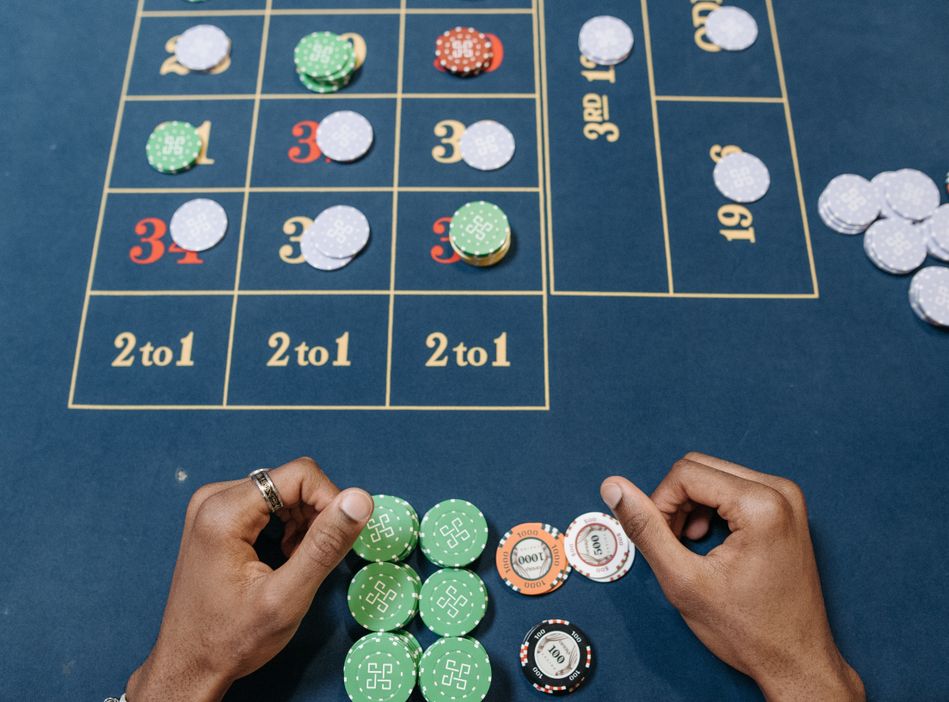

A well‑curated game library is the backbone of any enjoyable online casino experience, especially for newcomers who are still learning the ropes of slots, table games, and live‑dealer action. The right mix of titles not only keeps play interesting, but also opens the door to tournaments where skill, strategy, and a bit of luck can turn modest stakes into impressive prize pools. When you add the need for secure deposits, swift withdrawals, and transparent terms, the selection process becomes a balancing act between entertainment and safety.

If you are looking for a starting point, the guide on the site that lists the best online casinos in saudi arabia offers a useful snapshot of reputable operators. While Idpielts itself does not rank or review games, it serves as a convenient directory where you can verify licensing, payment options, and the presence of tournament features before you commit.

In the sections that follow we will walk you through eight essential factors: from understanding which game types host tournaments, to checking software provider certifications, decoding licensing, picking secure payment methods, leveraging bonuses, dissecting fine print, testing in demo mode, and finally assembling a personal tournament‑ready library. Each step is laid out in beginner‑friendly language, with actionable checklists and real‑world examples to help you build confidence while you build your collection.

1. Understanding Game Types and Their Tournament Potential

Online casinos group their offerings into four primary families: slots, table games, live dealer, and specialty titles. Each family presents a different tournament landscape, and knowing where to look can save you hours of searching for the right competition.

Slots dominate tournament schedules because leaderboard formats are easy to administer. Games with high volatility and progressive jackpots—such as Mega Joker by NetEnt or Great Rhino Megaways by Pragmatic Play—often feature weekly slot leaderboards where the top‑scoring players split a cash prize. If you prefer a fast‑paced, low‑skill environment, look for slots that run daily “high‑roller” tournaments with modest buy‑ins.

Table games bring a strategic edge. Blackjack tournaments, for example, pit players against each other in knockout rounds; the player with the highest hand after a set number of hands advances. Evolution Gaming’s Blackjack Party is a popular choice because it offers both cash and points‑based tournaments. Similarly, roulette tournaments usually reward the player who accumulates the most chips within a limited time frame, making games like Speed Roulette attractive for competitive bettors.

Live dealer rooms add an authentic casino feel and often host “live‑dealer tournaments” where a single dealer runs a series of hands for all participants. These events can be especially appealing to players who value social interaction and real‑time decision making.

Specialty games—keno, bingo, and scratch cards—occasionally appear in tournament calendars, but they tend to have lower prize pools and fewer entries. They are worth monitoring if you enjoy variety and want a low‑risk way to test tournament formats.

Tips for beginners:

  • Start with slot tournaments that have a clear leaderboard and a low entry fee.
  • Check the casino’s “Tournament” or “Events” tab regularly; many operators post schedules a week in advance.
  • Use the game’s volatility and RTP (return‑to‑player) as a guide: high‑RTP slots like Starburst (96.1%) give steadier returns, while high‑volatility titles can deliver bigger jumps on the leaderboard.

By matching your preferred play style with the tournament formats each game type supports, you create a foundation for a library that is both enjoyable and competition‑ready.

2. Evaluating Software Providers for Fair Play and Security

Not all game developers are created equal. A reputable software provider not only delivers slick graphics and engaging mechanics, but also adheres to strict fairness standards that protect both your gameplay and your money. Below is a quick look at three industry leaders and why their certifications matter for tournament participants.

Provider Notable Titles RNG Certification Security Highlights
NetEnt Gonzo’s Quest, Divine Fortune eCOGRA, iTech Labs SSL‑encrypted servers, regular code audits
Evolution Gaming Live Blackjack, Lightning Roulette GLI (Gaming Laboratories International), eGaming Labs Real‑time video streaming encryption, dual‑layer firewalls
Pragmatic Play The Dog House, Wolf Gold Malta Gaming Authority (MGA) testing, iTech Labs Tokenised payment gateways, anti‑fraud monitoring

Why RNG audits matter
Random Number Generators (RNGs) determine the outcome of each spin or hand. Independent labs such as eCOGRA and iTech Labs test the RNG algorithm thousands of times per day, ensuring that the probability distribution matches the advertised RTP. When a provider passes these audits, you can trust that the game is not rigged in favour of the house—a crucial factor when tournament rankings are at stake.

Linking fairness to payment security
Most audit reports also assess how a provider handles transaction data. Secure APIs, tokenisation of card details, and compliance with PCI DSS (Payment Card Industry Data Security Standard) are all part of the audit checklist. This means that when you fund your account to enter a tournament, the money passes through a vetted, encrypted pipeline, reducing the risk of interception or fraud.

Checklist before you join a tournament:

  1. Identify the game’s developer on the casino’s game lobby.
  2. Visit the provider’s website and locate the “Certifications” or “Compliance” page.
  3. Verify that the listed labs (eCOGRA, GLI, iTech Labs) have issued a recent (within 12 months) audit report.
  4. Confirm that the casino displays the same certification badge on its tournament page.

By performing this quick verification, you safeguard both the fairness of the competition and the security of the funds you stake.

3. Licensing, Regulation, and What They Mean for Your Money

A casino’s licence is more than a legal formality; it is the first line of defence for your deposits and winnings. Different jurisdictions impose varying standards for player protection, dispute resolution, and financial transparency. Understanding these differences helps you choose operators that align with secure betting practices.

Major jurisdictions and their hallmarks

  • Malta Gaming Authority (MGA) – Known for rigorous player‑complaint procedures and mandatory segregation of player funds. Casinos licensed here must undergo regular audits by the Malta Financial Services Authority.
  • Gibraltar Regulatory Authority (GRA) – Emphasises data protection and requires operators to hold a minimum capital reserve, ensuring they can cover large payout obligations.
  • UK Gambling Commission (UKGC) – Offers the most comprehensive consumer protections in Europe, including mandatory responsible‑gaming tools and a fast‑track dispute system.
  • Curacao eGaming – Provides a faster licensing route, but regulatory oversight is lighter; players should verify that the casino also holds third‑party certifications (eCOGRA, GLI) to compensate.

How licensing affects tournament cash flow
When a tournament awards a prize, the casino must move funds from its operational account to the player’s withdrawal request. Jurisdictions that enforce “player‑fund segregation” keep your bankroll in a separate, protected account, preventing it from being used for operational costs. This segregation is especially important during high‑volume tournament seasons, when large sums can move quickly.

Simple steps to confirm licence information

  1. Scroll to the footer of the casino’s website; the licence number and jurisdiction are usually listed there.
  2. Click the licence link; it should open the regulator’s public register where you can verify the licence status.
  3. Cross‑check the licence number with the casino’s “About Us” or “Responsible Gaming” page for consistency.

If any of these steps fail, consider the casino a red flag and look for alternatives.

4. Payment Methods That Keep Your Tournament Winnings Safe

Choosing the right payment method is as strategic as selecting a game. The goal is to minimise friction while maximising security, especially when you are moving tournament winnings in and out of your account. Below we compare the most common options and highlight the features that matter to beginners.

Method Typical Fees Security Features Tournament‑Friendly Traits
E‑wallets (e.g., Skrill, Neteller) Low to none for deposits, modest withdrawal fees 3‑D Secure, tokenised accounts, two‑factor authentication Instant deposits, fast withdrawals (often within 24 hrs)
Prepaid cards (e.g., Paysafecard) Fixed fee per transaction No personal banking data shared, PIN‑protected Good for anonymous payments, but withdrawals often require a bank account
Bank transfers (SWIFT/SEPA) Higher fees for international wires Bank‑level encryption, AML compliance Large‑volume deposits/withdrawals, but slower processing (2–5 days)
Cryptocurrencies (e.g., Bitcoin, Ethereum) Variable network fees Blockchain transparency, optional wallet‑level encryption Near‑instant transfers, can be used for anonymous payments if a privacy‑focused wallet is chosen

Security features to look for

  • 3‑D Secure – An additional authentication step that prevents unauthorized card use.
  • Tokenisation – The casino stores a token instead of your actual card number, reducing exposure in case of a data breach.
  • AML/KYC procedures – While they may feel intrusive, they protect you from fraud and ensure your winnings can be withdrawn without legal hurdles.

Recommendations for beginners

  1. Start with an e‑wallet like Skrill. It offers instant deposits, strong security, and relatively quick withdrawals—perfect for testing tournament waters.
  2. Add a prepaid card for those who value anonymity; keep it funded for small‑scale entry fees.
  3. Consider crypto only after you have established a reliable fiat withdrawal method, and use a reputable hardware wallet for added privacy.

By layering these methods—e‑wallet for speed, prepaid card for anonymity, and bank transfer for large payouts—you create a flexible, secure payment ecosystem that can adapt to any tournament schedule.

5. Bonus Structures and Their Influence on Tournament Entry

Welcome bonuses, free spins, and match‑deposit offers are the marketing lures that most casinos use to attract new players. When used wisely, they can fund your tournament buy‑ins without dipping into your personal bankroll. However, every bonus comes with strings attached, and overlooking them can erode the security of your funds.

How bonuses can fund tournament buy‑ins

  • Match‑deposit bonuses – A 100 % match on a $50 deposit gives you $100 to play. If a tournament entry costs $20, you can cover it entirely with the bonus money, preserving your original deposit.
  • Free spins – Some slot tournaments allow you to use free spins as part of the entry requirement. For instance, Starburst Free Spins may be redeemable for a slot leaderboard tournament.
  • Cashback offers – A 10 % weekly cashback on net losses can replenish a depleted tournament bankroll, keeping you in contention for future events.

Risks to watch

  • Wagering requirements – A typical 30x rollover on a $100 bonus means you must wager $3,000 before you can withdraw any winnings. This can quickly drain a small tournament bankroll.
  • Game restrictions – Some bonuses apply only to low‑RTP slots, which may not be eligible for high‑stakes tournaments.
  • Expiry dates – Bonuses often expire within 7‑14 days; missing the window can lock you out of a tournament you were planning to join.

Practical advice

  1. Read the wagering clause: calculate the required turnover (bonus amount × wagering multiplier) and compare it to the expected tournament prize pool.
  2. Prioritise “no‑turnover” bonuses: some operators offer free spins that convert directly into cash after a win, bypassing the rollover entirely.
  3. Align bonus timing with tournament schedules: claim a bonus a day before a tournament starts to ensure you have enough eligible playtime to meet the requirements.

By treating bonuses as a strategic resource rather than a free gift, you can boost your tournament participation while keeping your core deposits safe.

6. Reading the Fine Print: Terms, Conditions, and Tournament Rules

Even the most enticing tournament can hide pitfalls in its terms and conditions (T&C). A single clause about payout eligibility can turn a $5,000 prize into a delayed, partially forfeited sum. Below we break down the most common hidden clauses and provide a beginner‑friendly checklist to dissect them.

Key tournament clauses

  • Eligibility – Some events are limited to players from specific jurisdictions (e.g., “Residents of KSA only”). Verify that your location qualifies before you register.
  • Prize pool distribution – Not all tournaments award the full pool to the top three; some use a “top‑10” model where the first place receives 40 % and the rest is split among lower ranks.
  • Payout schedule – A tournament may declare that winnings are paid out within 30 days of the event’s conclusion, which can affect cash‑flow planning.
  • Betting requirements – Certain tournaments require a minimum number of bets or a turnover threshold before the prize becomes withdrawable.

How hidden fees undermine security

  • Withdrawal caps – A clause that limits withdrawals to $500 per week can trap large tournament winnings in your account.
  • Currency conversion fees – If the tournament prize is paid in EUR but your account is in USD, the casino may apply a conversion markup.
  • Anti‑money‑laundering (AML) holds – Large, sudden deposits followed by tournament wins can trigger a manual review, delaying payouts.

Beginner‑friendly checklist

  • [ ] Verify jurisdiction eligibility and any age restrictions.
  • [ ] Note the exact prize distribution percentages.
  • [ ] Identify the payout window and any associated fees.
  • [ ] Look for minimum bet or turnover conditions tied to the prize.
  • [ ] Check for withdrawal limits or currency conversion policies.

If any item on the list raises concerns, either contact the casino’s support team for clarification or consider a different tournament. The extra minutes spent reviewing T&C can save you from weeks of frustration later.

7. Real‑World Testing: Demo Play, Free Tournaments, and Security Checks

Before committing real money to a tournament, use the tools that reputable operators provide to test both the game mechanics and the payment pipeline. This “sandbox” approach lets you evaluate performance, fairness, and security without risking your bankroll.

Demo modes – Most software providers offer a free‑play version of their games. For example, NetEnt’s Divine Fortune can be accessed in demo mode directly from the casino lobby. Play for at least 15 minutes to gauge load times, visual glitches, and the responsiveness of bonus features.

Free‑entry tournaments – Some casinos host weekly “no‑buy‑in” leaderboards where the top 10 players share a modest prize. Register using a low‑risk e‑wallet, complete the tournament, and then check how quickly the winnings appear in your balance.

Quick security audit steps

  1. SSL verification – Look for “https://” and a padlock icon in the browser address bar. Click the padlock to view the certificate details; it should be issued to the casino’s domain and be valid.
  2. Responsible gambling tools – Ensure the site provides deposit limits, self‑exclusion, and session timers. Their presence indicates a regulator‑compliant operator.
  3. Payment flow test – Deposit a small amount (e.g., $10) using your chosen e‑wallet, then request a $5 withdrawal. Note the time taken and any verification steps required.

By completing these low‑stakes trials, you build confidence in the casino’s infrastructure and confirm that the tournament experience will be smooth when you decide to play for higher stakes.

8. Building Your Personal Tournament‑Ready Library

Now that you understand the landscape, it’s time to assemble a collection of games that match your skill set, bankroll, and tournament goals. Follow this step‑by‑step process to create a balanced library that can evolve with your experience.

Step 1 – Define your core categories
– Choose one slot, one table game, and one live dealer title that you enjoy and that host regular tournaments.
– Example: Great Rhino Megaways (slot), Evolution Blackjack Party (table), Live Baccarat (live dealer).

Step 2 – Assess volatility and RTP
– For slots, pick a mix of low‑volatility (e.g., Starburst, RTP 96.1 %) for steady leaderboard points and high‑volatility (e.g., Gonzo’s Quest, RTP 95.97 %) for occasional big jumps.

Step 3 – Align with payment cycles
– Map out upcoming tournament dates from the casino’s events calendar.
– Schedule deposits a day before each tournament using your fastest payment method (e‑wallet) and plan withdrawals within the casino’s payout window.

Step 4 – Monitor performance
– After each tournament, record your finish position, profit, and any issues (e.g., lag, delayed payouts).
– Remove games that consistently cause technical problems or that no longer fit your bankroll strategy.

Step 5 – Refresh quarterly
– Check Idpielts or similar resource sites for news on new game releases and upcoming tournament formats.
– Add a fresh title if it offers a better RTP or a more attractive tournament structure.

Ongoing maintenance tips

  • Keep your payment preferences updated; switch to a new e‑wallet if the current one introduces higher fees.
  • Subscribe to regulator newsletters (MGA, UKGC) to stay aware of any licensing changes that could affect your chosen casinos.
  • Review tournament terms each season; sometimes prize pools shrink or eligibility expands, altering which games are most profitable.

By treating your game library as a living portfolio, you ensure that every title contributes to your tournament success while maintaining the security of your funds.

Conclusion

Creating a winning game library is a multi‑dimensional task that blends entertainment, competition, and financial safety. We have covered eight pillars: understanding game types and tournament potential, vetting software providers, decoding licensing, selecting secure payment methods, leveraging bonuses wisely, dissecting fine print, testing in demo environments, and finally building a personalized, tournament‑ready collection.

For beginners, the safest path is to start small, verify each security layer—licence, provider audit, payment encryption—and gradually expand your library as confidence grows. Use the checklist provided, explore reputable operators through the best online casinos in saudi arabia directory, and keep an eye on tournament calendars. With a secure foundation and a strategic approach, you’ll be ready to compete, win, and enjoy the thrill of online casino tournaments without compromising your bankroll.


เกมไพ่อกู๋ (Baccarat) กำลังเป็นที่นิยมอย่างต่อเนื่องในคาสิโนสมัยใหม่ ทั้งในรูปแบบดิจิทัลและห้องเกมสด ผู้เล่นหลายคนมองว่าเกมนี้เป็น “เกมของโชค” แต่จริง ๆ แล้วการใช้กลยุทธ์ที่อิงข้อมูลวิจัยสามารถทำให้โบนัสเพิ่มขึ้นอย่างมีนัยสำคัญ การวิเคราะห์สถิติของผลลัพธ์ การจัดการเงินที่เหมาะสม และการเลือกโบนัสที่คุ้มค่าเป็นส่วนสำคัญของสูตรชนะ

หากคุณต้องการข้อมูลเชิงลึกเพิ่มเติมเกี่ยวกับการปกป้องข้อมูลส่วนบุคคลขณะเล่นออนไลน์ เว็บไซต์ https://www.precisesecurity.com/ สามารถเป็นแหล่งอ้างอิงที่เป็นประโยชน์ Precisesecurity ไม่ได้เป็นผู้ให้บริการเกม แต่เป็นแหล่งข้อมูลด้านความปลอดภัยที่ผู้เล่นอาจต้องการตรวจสอบก่อนสมัครสมาชิก

ในบทความต่อไปนี้ เราจะสำรวจประวัติของไพ่อกู๋ การคำนวณอัตราการจ่าย โบนัสต่าง ๆ วิธีวิเคราะห์สถิติพื้นฐาน กลยุทธ์ “Banker‑First” และ “Split‑Bet” รวมถึงการจัดการเงิน การเลือกโบนัสจากคาสิโนออนไลน์ การใช้ซอฟต์แวร์วิเคราะห์มือ การควบคุมอารมณ์ การทดลองเล่นในโหมด Demo และแนวโน้มอนาคตของเกมในยุค AI

1. ประวัติและวิวัฒนาการของไพ่อกู๋ในคาสิโนสมัยใหม่

ไพ่อกู๋มีรากฐานมาจากเกม “ซาอี” ของจีนโบราณ ซึ่งเป็นเกมไพ่ที่ใช้การวางเดิมพันระหว่าง “ผู้เล่น” กับ “แบงค์เกอร์” การเดินทางของเกมนี้สู่ตะวันตกเริ่มต้นในศตวรรษที่ 19 เมื่อนักเดินทางนำเกมเข้าสู่คาสิโนในลาสเวกัสและมอนเตคาร์โล การปรับกฎให้เหมาะกับผู้เล่นตะวันตกทำให้การจ่ายเงิน (Payout) มีความชัดเจนมากขึ้น และเปิดโอกาสให้คาสิโนเพิ่มโบนัสพิเศษ

การเปลี่ยนแปลงสำคัญ ได้แก่ การกำหนดอัตราการจ่าย 1:1 สำหรับมือผู้เล่นและแบงค์เกอร์ รวมถึงการเพิ่มค่าคอมมิชชั่น 5% สำหรับการชนะของแบงค์เกอร์ นอกจากนี้ การแนะนำ “Tie” (เสมอ) ทำให้ผู้เล่นมีตัวเลือกที่ให้ RTP สูงกว่า 98% ในบางกรณี

เมื่อเกมเข้าสู่ยุคดิจิทัล คาสิโนออนไลน์เริ่มเสนอโบนัสต้อนรับและโปรโมชั่นรีโหลดที่เชื่อมโยงกับผลลัพธ์ของไพ่อกู๋ ตัวอย่างเช่น โบนัส “Banker Boost” ที่ให้เพิ่ม 10% ของเงินเดิมพันเมื่อแบงค์เกอร์ชนะติดต่อกัน 3 ครั้ง การเปลี่ยนแปลงเหล่านี้ทำให้โครงสร้างโบนัสมีความยืดหยุ่นและตอบสนองต่อพฤติกรรมการเล่นของผู้ใช้

1.1 การเปลี่ยนแปลงกฎที่สำคัญ

1.2 การเปิดตัวโบนัสพิเศษในยุคดิจิทัล

2. โครงสร้างการจ่ายและโบนัสพื้นฐานของไพ่อกู๋

การคำนวณอัตราการจ่ายของไพ่อกู๋มักอิงจาก RTP (Return to Player) ที่ประมาณ 98.94% สำหรับการเดิมพันบนแบงค์เกอร์ หลังจากหักคอมมิชชั่น 5% แล้ว การเดิมพันบนผู้เล่นให้ RTP ประมาณ 98.76% ส่วน “Tie” มี RTP ต่ำกว่า 95% แต่จ่ายอัตรา 8:1 หรือ 9:1 ทำให้ผู้เล่นที่เสี่ยงสูงอาจได้รับผลตอบแทนที่น่าสนใจ

โบนัสพื้นฐานที่พบบ่อย ได้แก่

  • Welcome Bonus – โบนัสต้อนรับที่มักให้ 100% ของเงินฝากแรกพร้อมเครดิตฟรี 20 บาทต่อ 100 บาทที่ฝาก
  • Reload Bonus – โบนัสรีโหลดที่ให้ 50% ของเงินฝากต่อเนื่องทุกสัปดาห์
  • Cashback – คืนเงิน 5–10% ของยอดเสียสุทธิในช่วง 30 วัน

การอ่านตารางจ่าย (Paytable) อย่างละเอียดช่วยให้ผู้เล่นทราบว่าการเดิมพันบนแบงค์เกอร์หรือผู้เล่นจะให้ค่าตอบแทนที่สูงกว่าในแต่ละรอบ ตัวอย่างเช่น หากตารางแสดงว่า “Banker Win” มีคอมมิชชั่น 5% แต่ “Player Win” ไม่มีค่าใช้จ่ายเพิ่มเติม ผู้เล่นอาจเลือกเดิมพันบนแบงค์เกอร์เป็นหลักเพื่อเพิ่มโอกาสรับโบนัส “Banker Boost” ที่คาสิโนบางแห่งจัดให้

3. การวิเคราะห์สถิติพื้นฐาน – ทำไมข้อมูลสำคัญ?

การเก็บข้อมูลผลลัพธ์ของแต่ละมือเป็นขั้นตอนแรกของการวิเคราะห์สถิติ ผู้เล่นสามารถบันทึกผล “Banker”, “Player” หรือ “Tie” พร้อมจำนวนเงินเดิมพันในสเปรดชีต การคำนวณค่าเฉลี่ย (Mean) ของอัตราการชนะช่วยให้เห็นแนวโน้มระยะยาว ตัวอย่างเช่น หากใน 100 รอบ แบงค์เกอร์ชนะ 48 ครั้ง ผู้เล่นอาจคาดว่าอัตราการชนะของแบงค์เกอร์อยู่ที่ 48%

การวัดความแปรปรวน (Variance) ช่วยประเมินความเสี่ยง หากความแปรปรวนสูง แสดงว่าผลลัพธ์มีความผันผวนมาก ผู้เล่นอาจปรับขนาดเดิมพันให้สอดคล้องกับระดับความเสี่ยงนั้น

ตัวอย่างการคำนวณความน่าจะเป็นของการชนะสองมือพร้อมกัน:
P(แบงค์เกอร์ชนะ 2 รอบต่อเนื่อง) = 0.458 × 0.458 ≈ 0.210 (ประมาณ 21%) การรู้ข้อมูลนี้ทำให้ผู้เล่นสามารถวางแผนการใช้ “Banker‑First” หรือ “Split‑Bet” อย่างมีเหตุผล

4. กลยุทธ์ “Banker‑First” – การวางเดิมพันบนฝ่ายแบงค์เกอร์

หลักการของ “Banker‑First” คือการวางเดิมพันบนแบงค์เกอร์เป็นหลัก เนื่องจากสถิติแสดงว่าแบงค์เกอร์ชนะบ่อยกว่า 1.06 ครั้งต่อ 1 ครั้งของผู้เล่น การทำเช่นนี้ช่วยเพิ่ม RTP เฉลี่ยของเซสชันให้สูงกว่า 98%

ผลกระทบต่อโบนัส: หากคาสิโนมีโปรโมชั่น “Banker Boost” ที่ให้เพิ่ม 10% ของเงินเดิมพันเมื่อแบงค์เกอร์ชนะ 3 ครั้งติดต่อกัน ผู้เล่นที่ใช้ “Banker‑First” จะมีโอกาสได้รับโบนัสนี้บ่อยกว่า การคำนวณแบบง่าย: หากอัตราการชนะของแบงค์เกอร์คือ 45.8% โอกาสที่ชนะ 3 ครั้งต่อเนื่องคือ 0.458³ ≈ 0.096 (9.6%)

ข้อควรระวัง: คอมมิชชั่น 5% ของแบงค์เกอร์อาจลดกำไรเมื่อชนะต่อเนื่องหลายครั้ง นอกจากนี้ การเดิมพันต่อเนื่องบนแบงค์เกอร์อาจทำให้ bankroll ลดลงเร็วหากเกิดช่วง “cold streak” ที่แบงค์เกอร์แพ้อย่างต่อเนื่อง

ข้อจำกัดระยะยาว: ระบบ “Martingale” ที่เพิ่มเดิมพันหลังการแพ้อาจทำให้เสี่ยงต่อการหมดทุน การใช้ “Banker‑First” ควรผสมกับการตั้งค่า “Stop‑Loss” ที่ชัดเจนเพื่อหลีกเลี่ยงการเสียเงินมากเกินไป

5. เทคนิค “Split‑Bet” เพื่อเพิ่มโอกาสรับโบนัสพิเศษ

“Split‑Bet” คือการแบ่งเงินเดิมพันระหว่างมือผู้เล่นและมือแบงค์เกอร์ในอัตราที่เหมาะสม ตัวอย่างเช่น หากโบนัส “Dual Bonus” ให้ 5% ของยอดเดิมพันรวมเมื่อทั้งสองฝ่ายชนะในรอบเดียวกัน ผู้เล่นสามารถวาง 70 บาทบนแบงค์เกอร์และ 30 บาทบนผู้เล่นเพื่อเพิ่มโอกาสทำให้เงื่อนไขโบนัสสำเร็จ

การคำนวณขนาดเดิมพัน:
– กำหนดโบนัสที่ต้องการ: 10 บาท
– โบนัส 5% ของยอดเดิมพันรวม = 0.05 × (Bet_Player + Bet_Banker)
– ดังนั้น Bet_Player + Bet_Banker = 10 บาท ÷ 0.05 = 200 บาท
– หากเลือกอัตรา 70/30 จะได้ Bet_Banker = 140 บาท, Bet_Player = 60 บาท

ตัวอย่างจากคาสิโนออนไลน์ “LuckyBaccarat” มีโปรโมชั่น “Split‑Win Bonus” ที่ให้ 8% ของยอดเดิมพันรวมเมื่อผู้เล่นและแบงค์เกอร์ชนะในสองรอบต่อเนื่อง ผู้เล่นที่ใช้ Split‑Bet 60/40 สามารถคำนวณได้ว่าในกรณีชนะสองรอบติดต่อกัน โบนัสจะเท่ากับ 0.08 × (120 บาท + 80 บาท) = 16 บาท

เทคนิคนี้ต้องอาศัยการบันทึกผลลัพธ์และการปรับอัตราเดิมพันตามเงื่อนไขโบนัสของแต่ละคาสิโน เพื่อให้ได้กำไรสูงสุดโดยไม่เพิ่มความเสี่ยงเกินไป

6. การจัดการเงิน (Bankroll Management) สำหรับไพ่อกู๋

การกำหนดขนาดเดิมพันต่อเซสชันควรอิงกับ bankroll ทั้งหมด ตัวอย่างเช่น หาก bankroll 10,000 บาท ควรกำหนดเดิมพันต่อรอบไม่เกิน 1%–2% (100–200 บาท) เพื่อรักษาเสถียรภาพ

Stop‑Loss: ตั้งค่าให้หยุดเล่นเมื่อเสีย 5% ของ bankroll (500 บาท) หรือเมื่อเสียต่อเนื่อง 8 รอบติดต่อกัน การตั้งค่า “Take‑Profit” ที่ 10% ของ bankroll (1,000 บาท) ช่วยล็อกกำไรและป้องกันการคืนทุนที่อาจทำให้โบนัสที่ได้รับหายไป

สูตร Kelly Criterion สามารถปรับใช้กับไพ่อกู๋ได้โดยประมาณค่า “edge” จากอัตราการชนะของแบงค์เกอร์ (≈1.06%) และคอมมิชชั่น 5%
Kelly fraction = (bp – q) / b
โดย b = อัตราจ่ายสุทธิ (1 – 0.05 = 0.95), p = ความน่าจะเป็นชนะ (0.458), q = 1 – p
คำนวณได้ประมาณ 0.02 หรือ 2% ของ bankroll ต่อเดิมพัน ซึ่งสอดคล้องกับแนวทาง 1%–2% ที่แนะนำ

7. โบนัสพิเศษจากคาสิโนออนไลน์ – วิธีเลือกข้อเสนอที่คุ้มค่า

ประเภทโบนัส ตัวอย่างโปรโมชั่น เงื่อนไข Wagering ROI (ประมาณ)
โบนัสต้อนรับ 100% สูงสุด 5,000 บาท 30× (ยอดฝาก) 85%
โบนัสไม่มีเงินฝาก 20 บาทฟรี 40× (ยอดโบนัส) 50%
Cashback คืน 10% ของยอดเสีย 30 วัน ไม่มี 70%

การเปรียบเทียบโบนัสควรพิจารณา Wagering Requirements (จำนวนครั้งที่ต้องเดิมพันก่อนถอน) ตัวอย่างเช่น โบนัสต้อนรับ 5,000 บาทที่มีเงื่อนไข 30× ต้องเดิมพันรวม 150,000 บาทเพื่อทำการถอน

7.1 การอ่านเงื่อนไขอย่างละเอียด

7.2 ตัวอย่างการคำนวณ ROI ของโบนัส

8. การใช้ซอฟต์แวร์วิเคราะห์มือ (Hand‑Tracking Software)

ซอฟต์แวร์ที่นิยมใช้ในวงการไพ่อกู๋ ได้แก่ “Baccarat Analyzer” และ “GameTracker Pro” ซึ่งสามารถบันทึกผลลัพธ์ของแต่ละมือแบบเรียลไทม์และคำนวณสถิติพื้นฐานได้ การนำข้อมูลจากซอฟต์แวร์มาปรับใช้กับกลยุทธ์โบนัสช่วยให้ผู้เล่นเห็นแนวโน้มของแบงค์เกอร์และผู้เล่นในช่วงเวลาต่าง ๆ

ความเสี่ยงด้านกฎหมาย: บางคาสิโนอาจมองว่าการใช้ซอฟต์แวร์เป็นการละเมิดเงื่อนไขการให้บริการ การตรวจสอบนโยบายของคาสิโนก่อนใช้ซอฟต์แวร์เป็นสิ่งสำคัญ เพื่อหลีกเลี่ยงการถูกระงับบัญชี

9. การจัดการอารมณ์และจิตวิทยาในการเล่นไพ่อกู๋

อารมณ์มีผลโดยตรงต่อการตัดสินใจเดิมพัน การเสียเงินหลายรอบติดต่อกันอาจทำให้ผู้เล่นเพิ่มเดิมพันโดยไม่คำนึงถึงสถิติ (Tilt) การใช้เทคนิค “Mindfulness” เช่นการหายใจลึก ๆ ทุก 15 นาที ช่วยลดความเครียดและทำให้การประเมินความเสี่ยงแม่นยำขึ้น

เทคนิคการควบคุมความเครียด:
– ตั้งเวลาเล่นไม่เกิน 90 นาทีต่อเซสชัน
– จดบันทึกอารมณ์ก่อนและหลังการเดิมพันเพื่อสังเกตรูปแบบ
– ใช้ “Positive Self‑Talk” เช่น “ฉันกำลังทำตามแผน” เพื่อรักษาโฟกัส

การรักษาอัตราการชนะและรับโบนัสต่อเนื่องต้องอาศัยการควบคุมอารมณ์อย่างเป็นระบบ ไม่ให้ความรู้สึกชั่วคราวมาทำลายกลยุทธ์ที่วางไว้

10. การทดลองเล่น (Demo) และการทดสอบกลยุทธ์ก่อนลงสนามจริง

โหมด Demo ของคาสิโนออนไลน์ให้ผู้เล่นฝึกใช้ “Banker‑First” หรือ “Split‑Bet” โดยไม่ต้องเสี่ยงเงินจริง การบันทึกผลในแต่ละรอบช่วยให้วิเคราะห์ประสิทธิภาพของกลยุทธ์ ตัวอย่างเช่น ผู้เล่น “สมชาย” ใช้ Demo 20 ชั่วโมง บันทึกผลลัพธ์ 1,500 มือ พบว่า “Banker‑First” ให้ ROI 2.3% ในขณะที่ “Split‑Bet” ให้ ROI 1.8%

วิธีบันทึกผล:
1. สร้างสเปรดชีตที่มีคอลัมน์ “มือ”, “ผลลัพธ์”, “เดิมพัน”, “โบนัสที่ได้รับ”
2. คำนวณค่าเฉลี่ย ROI ต่อ 100 มือ
3. ปรับอัตราเดิมพันหรือเปลี่ยนกลยุทธ์ตามผลลัพธ์

กรณีศึกษาจากผู้เล่น “อร” แสดงว่าเมื่อเปลี่ยนจาก “Martingale” ไปใช้ “Kelly‑Based” หลังจากทดลองใน Demo เธอสามารถเปลี่ยนจากการเสียต่อเนื่องเป็นกำไรสุทธิ 4,500 บาทใน 2 สัปดาห์ของการเล่นจริง

11. ความแตกต่างของโบนัสในคาสิโนแบบดั้งเดิม vs. คาสิโนออนไลน์

คาสิโนอิฐและปูนมักให้โบนัสแบบ “Cashback” หรือ “Complimentary Drinks” ที่มีมูลค่าไม่แน่นอน ส่วนคาสิโนออนไลน์มักเสนอโปรโมชั่นที่วัดค่าเป็นเงินสดหรือเครดิตเกมโดยตรง ตัวอย่างเช่น “Live Dealer Bonus” ให้ 15% ของยอดฝากสำหรับเกมไพ่อกู๋แบบสด

ฟีเจอร์พิเศษของคาสิโนออนไลน์ ได้แก่:
– การเข้าถึงผ่านมือถือ (แทงบอลออนไลน์ มือถือ) ทำให้ผู้เล่นสามารถตรวจสอบโบนัสได้ตลอดเวลา
– ระบบ “Instant Withdrawal” ที่ทำให้การถอนโบนัสเป็นเรื่องง่าย

การเลือกเล่นตามเป้าหมายโบนัสควรพิจารณาว่าผู้เล่นต้องการโบนัสที่ให้เงินสดเร็วหรือโบนัสที่มาพร้อมกับประสบการณ์พิเศษ เช่น การเล่นกับดีลเลอร์สดที่ให้ “Tips” เพิ่มโอกาสชนะ

12. แนวโน้มอนาคตของไพ่อกู๋และโบนัสในยุค AI

AI กำลังเข้ามามีบทบาทในการคาดการณ์ผลลัพธ์ของไพ่อกู๋โดยใช้โมเดล Machine Learning ที่ฝึกจากข้อมูลผลลัพธ์หลายล้านมือ ระบบเหล่านี้สามารถปรับโบนัสแบบไดนามิกตามความน่าจะเป็นของแต่ละรอบ ตัวอย่างเช่น คาสิโน “AI‑Baccarat” จะเพิ่ม “Banker Boost” เป็น 12% เมื่ออัตราการชนะของแบงค์เกอร์อยู่เหนือ 48% ใน 10 รอบต่อเนื่อง

ผลกระทบต่อผู้เล่นมืออาชีพคือการต้องอัปเดตกลยุทธ์อย่างต่อเนื่องเพื่อไม่ให้ถูก “Dynamic Bonus” ทำลายกำไร ส่วนผู้เริ่มต้นอาจได้รับประโยชน์จากโบนัสที่คำนวณให้เหมาะสมกับระดับความเสี่ยงของตน

คำแนะนำสำหรับการเตรียมตัว:
– ติดตามข่าวสาร AI ในอุตสาหกรรมคาสิโนผ่านเว็บไซต์เช่น Precisesecurity เพื่อเข้าใจแนวโน้มความปลอดภัยและเทคโนโลยีใหม่ ๆ
– ฝึกใช้ซอฟต์แวร์วิเคราะห์ที่รองรับ AI เพื่อทดสอบกลยุทธ์ในสภาพแวดล้อมที่เปลี่ยนแปลงอย่างรวดเร็ว

สรุป

บทความนี้ได้สรุปกลยุทธ์สำคัญสำหรับไพ่อกู๋สมัยใหม่ ตั้งแต่การเข้าใจประวัติและโครงสร้างโบนัส การวิเคราะห์สถิติพื้นฐาน การใช้ “Banker‑First” และ “Split‑Bet” ไปจนถึงการจัดการเงิน การเลือกโบนัสจากคาสิโนออนไลน์ การใช้ซอฟต์แวร์วิเคราะห์มือ การควบคุมอารมณ์ การทดลองในโหมด Demo และแนวโน้ม AI ที่จะเปลี่ยนแปลงเกมในอนาคต การวิจัยข้อมูลอย่างเป็นระบบและการจัดการ bankroll อย่างมีระเบียบเป็นหัวใจของความสำเร็จระยะยาว ผู้เล่นที่นำความรู้นี้ไปปรับใช้จะสามารถเพิ่มโอกาสรับโบนัสและรักษากำไรได้อย่างมั่นคง

เชิญคุณลองนำเทคนิคเหล่านี้ไปทดลองในเกมไพ่อกู๋ของคุณเอง และอย่าลืมตรวจสอบแหล่งข้อมูลเพิ่มเติมที่ Precisesecurity เพื่อความปลอดภัยและความเข้าใจที่ลึกซึ้งยิ่งขึ้น.


Online-Casinos bieten eine Welt der Unterhaltung und Gewinnmöglichkeiten, doch nicht alle Plattformen sind gleich. Die Suche nach einem vertrauenswürdigen Casino kann überwältigend sein, besonders für Neueinsteiger. Casino-Bewertungen lesen ist unerlässlich, um seriöse Anbieter von unseriösen zu unterscheiden. Sie geben Einblicke in die angebotenen Spiele, Boni, Zahlungsmethoden und den Kundenservice. In diesem Artikel erfahren Sie, worauf Sie bei der Bewertung von Online-Casinos achten sollten und wie Sie die besten https://spin-granny-casino-deutschland.com/ für Ihre Bedürfnisse finden. Ein durchdachter Ansatz beim Casino-Wählen kann Ihre Spielerfahrung erheblich verbessern und Sie vor potenziellen Problemen schützen.

Online Casino: Spielautomaten und Live-Spiele im Überblick

Der deutsche Glücksspielmarkt hat sich in den letzten Jahren stark entwickelt, mit zahlreichen Anbietern um die Gunst der Spieler. Wenn Sie nach einem Online-Casino suchen, ist es entscheidend, verschiedene Aspekte zu berücksichtigen. Details zu Bonusbedingungen und Spielauswahl gibt es direkt bei https://spin-granny-casino-deutschland.com/. Die Qualität der Spiele, die Fairness der Angebote und die Sicherheit Ihrer Daten sind dabei oberste Priorität. Echte Erfahrungen anderer Spieler in Bewertungen können Ihnen helfen, eine fundierte Entscheidung zu treffen, anstatt blind auf Marketingversprechen hereinzufallen.

Ein weiterer wichtiger Faktor bei der Wahl eines Online-Casinos ist das Vorhandensein von international anerkannten Lizenzen. Diese garantieren, dass das Casino bestimmte Standards einhält und regelmäßig geprüft wird. Glücksspiel kann süchtig machen, Glücksspielschutz, nur für Volljährige ab 18 Jahren. Zuverlässige Casinos bieten zudem Tools für verantwortungsvolles Spielen, wie Selbstausgrenzung oder Limits für Einzahlungen. Achten Sie darauf, ob das Casino klare Regeln zum Spielerschutz hat und wie es mit Problemfällen umgeht.

Die Bedeutung von Casino-Bewertungen

Was gute Bewertungen ausmacht

Eine vertrauenswürdige Casino-Bewertung geht über oberflächliche Eindrücke hinaus und deckt verschiedene Aspekte des Angebots ab. Gute Bewertungen analysieren die Qualität der Software, die Vielfalt der Spiele, die Benutzerfreundlichkeit der Webseite und die Effizienz des Kundensupports. Sie berücksichtigen auch die Transparenz der Bonusbedingungen und die Schnelligkeit der Auszahlungen. Ein umfassender Bewertungsblick zeigt Stärken und Schwächen eines Casinos auf und hilft Spielern, eine realistische Erwartung zu entwickeln.

Bei der Bewertung von Online-Casinos sollten auch die angebotenen Zahlungsmethoden unter die Lupe genommen werden. Idealerweise bietet ein Casino verschiedene Optionen, darunter Kreditkarten, E-Wallets, Banküberweisungen und kryptographische Währungen. Die Gebühren, die Verarbeitungsdauer und die Sicherheit der Transaktionen sind wichtige Kriterien. Ein Casino, das schnelle und gebührenfreie Auszahlungen anbietet, punktet in den meisten Bewertungen deutlich, da dies ein Zeichen für Fairness und Respekt gegenüber den Spielern ist.

Wo Sie seriöse Bewertungen finden

Für die Suche nach verlässlichen Casino-Bewertungen gibt es spezialisierte Plattformen, die unabhängige Tests und Erfahrungsberichte veröffentlichen. Diese Seiten arbeiten oft mit erfahrenen Spielern und Experten zusammen, die verschiedene Casinos ausgiebig getestet haben. Achten Sie darauf, ob die Bewertungsseite selbst transparent über ihre Arbeitsweise und eventuelle finanzielle Beziehungen zu den bewerteten Casinos aufklärt. Unabhängige Quellen sind in der Regel objektiver und weniger anfällig für geschönte Bewertungen.

Social-Media-Gruppen und Foren können ebenfalls nützliche Quellen für Casino-Bewertungen sein. Hier teilen reale Spieler ihre Erfahrungen mit verschiedenen Plattformen. Achten Sie auf wiederkehrende Muster in den Kommentaren – wenn viele Spieler über dasselbe Problem berichten, wie verzögerte Auszahlungen oder intransparente Bonusbedingungen, sollten Sie vorsichtig sein. Diese kollektiven Erfahrungen können oft einen tieferen Einblick geben als offizielle Bewertungen, da sie auf echten Spielerfahrungen basieren.

Kriterien für die Bewertung von Online-Casinos

Wenn Sie ein Online-Casino bewerten, sollten Sie mehrere wichtige Kriterien berücksichtigen. Zu den wichtigsten Aspekten gehören die Lizenzierung, die Sicherheit der Plattform, die Qualität der Spiele, die Fairness der Boni und der Kundenservice. Jedes dieser Kriterien spielt eine entscheidende Rolle für die Gesamtqualität und Zuverlässigkeit des Casinos. Eine gründliche Bewertung dieser Punkte kann Ihnen helfen, ein Casino zu identifizieren, das Ihren Erwartungen entspricht und ein sicheres und faires Spielerlebnis bietet.

Lizenzierung und Sicherheit

Eines der wichtigsten Kriterien bei der Bewertung eines Online-Casinos ist die Vorhandensein einer gültigen Glücksspiellizenz von einer renommierten Behörde wie der Malta Gaming Authority oder der UK Gambling Commission. Diese Lizenzen garantieren, dass das Casino bestimmte Standards einhält und regelmäßig geprüft wird. Zudem sollten moderne Verschlüsselungstechnologien wie SSL zum Schutz Ihrer persönlichen und finanziellen Daten eingesetzt werden. Ein sicheres Casino macht diese Informationen deutlich auf seiner Webseite verfügbar und bietet klare Richtlinien zum Datenschutz.

Ein weiterer wichtiger Aspekt der Sicherheit ist der Einsatz von zertifizierten Zufallsgeneratoren (RNG) für die Spiele. Diese gewährleisten, dass alle Spielresultate fair und zufällig sind und nicht manipuliert werden können. Seriöse Casinos arbeiten oft mit unabhängigen Testlaboren wie eCOGRA oder iTech Labs zusammen, die die Fairness ihrer Spiele regelmäßig überprüfen. Wenn ein Casino diese Informationen transparent macht, ist dies ein starkes positives Zeichen in jeder Bewertung.

Spielesortiment und Softwareanbieter

Die Qualität und Vielfalt des Spielesortiments ist ein weiteres entscheidendes Kriterium bei der Bewertung von Online-Casinos. Ein gutes Casino bietet eine breite Palette von Spielen, darunter Slots, Tischspiele wie Roulette und Blackjack, Live-Casino-Spiele und mehr. Die Spiele sollten von renommierten Softwareanbieter wie NetEnt, Microgaming oder Play’n GO stammen, da dies oft mit höherer Qualität und Fairness verbunden ist. Auch die Qualität der Grafik und der Spielablauf sind wichtige Aspekte, die in einer Bewertung berücksichtigt werden sollten.

Live-Casino-Spiele haben in den letzten Jahren stark an Popularität gewonnen und sind für viele Spieler ein wichtiger Faktor bei der Wahl eines Casinos. Ein gutes Live-Casino bietet verschiedene Tische mit unterschiedlichen Einsatzlimits, professionelle Croupiers und eine hochwertige Streaming-Qualität. Auch die Benutzerfreundlichkeit der Live-Plattform ist ein wichtiges Bewertungskriterium. Ein Casino, das ein ansprechendes und reibungsloses Live-Erlebnis bietet, erhält in der Regel positive Bewertungen von Spielern, die das authentische Casino-Erlebnie suchen.

Bewertungskriterium Wichtige Aspekte Warum es wichtig ist
Lizenzierung Gültige Glücksspiellizenz von renommierten Behörden Garantiert Einhaltung von Standards und Spieler-schutz
Spielesortiment Breite Auswahl an Slots, Tischspielen und Live-Casino Bietet Abwechslung und满足了不同玩家的偏好
Boni und Aktionen Faire Bonusbedingungen, klare Regeln Macht das Casino attraktiv und bietet zusätzlichen Wert
Kundenservice Verfügbarkeit, Reaktionszeit, Hilfsbereitschaft Löst Probleme schnell und verbessert Spielererfahrung
Zahlungsmethoden Vielfalt, Gebühren, Verarbeitungsdauer Erleichtert Einzahlungen und Auszahlungen
Mobile Verfügbarkeit Optimierte Webseite oder App, Kompatibilität Ermöglicht Spielen auf verschiedenen Geräten

Boni und ihre Bedingungen verstehen

Boni sind ein wichtiger Faktor bei der Wahl eines Online-Casinos, aber es ist entscheidend, die Bedingungen genau zu verstehen. Ein hoher Bonus ist nicht automatisch vorteilhaft, wenn die Umsatzforderungen unrealistisch sind oder die Einsatzlimits so niedrig, dass es unmöglich ist, die Bedingungen zu erfüllen. Gute Casino-Bewertungen analysieren die Fairness der Bonusangebote und geben Ihnen eine klare Vorstellung davon, ob ein Bonus wirklich vorteilhaft ist oder nur als Lockmittel dient.

Bei der Bewertung von Casino-Boni sollten Sie besonders auf die Umsatzbedingungen achten. Diese legen fest, wie oft Sie den Bonusbetrag setzen müssen, bevor Sie eine Auszahlung vornehmen können. Ein fairer Bonus hat realistische Umsatzforderungen, typischerweise zwischen 30x und 50x für Boni. Auch

Häufige Fragen

Wie lange dauern Auszahlungen im Online Casino?
Bei seriösen Anbietern dauert eine Auszahlung mit geprüften Zahlungsmethoden in der Regel ein bis drei Werktage.

Was bedeutet die Umsatzbedingung bei einem Bonus?
Der Bonusbetrag muss mehrfach im Casino eingesetzt werden, bevor Gewinne zur Auszahlung freigegeben werden.

Was tun, wenn Spielen zum Problem wird?
Sofortige Einzahlungslimits oder eine Spielsperre über OASIS setzen und Beratungsstellen wie die BZgA nutzen.


Negli ultimi due anni la diffusione del 5G ha trasformato radicalmente il panorama del gaming mobile, offrendo velocità di trasferimento dati e tempi di risposta mai visti prima. Per gli operatori di iGaming, questi miglioramenti non sono solo un “plus” di marketing, ma una variabile quantificabile che influisce direttamente su metriche chiave come il tasso di conversione, la durata media della sessione e il valore medio di scommessa (ARPU).

Un product manager di un operatore di casinò mobile ha appena verificato che, passando dal 4G al 5G, il tempo medio di caricamento di una slot a tema “Mayan Riches” è sceso da 3,2 s a 0,8 s, facendo diminuire il bounce rate del 12 %. Dopo aver osservato questi dati, ha consultato il portale https://casinoitaliani.jiad.org/ per confrontare le performance di altri fornitori e ha deciso di investire in una rete edge più capillare.

Questa introduzione fornisce le basi teoriche necessarie per comprendere come la matematica descriva l’interazione tra le nuove capacità di rete e le performance dei giochi, preparando il lettore a un’immersione dettagliata nei modelli statistici e nelle simulazioni operative.

1. Architettura di rete 5G: parametri fondamentali per il gaming

Il 5G si basa su tre pilastri: latenza ultra‑bassa (spesso inferiore a 5 ms), bandwidth elevata (fino a 1 Gbps per utente in scenari hotspot) e massive MIMO, che utilizza centinaia di antenne per migliorare la capacità di canale. Questi elementi riducono il tempo di round‑trip (RTT) perché il segnale percorre percorsi più brevi e la codifica è più efficiente. In formule, il RTT può essere espresso come RTT = 2·(d / c) + Tproc + Tqueue, dove d è la distanza fisica, c la velocità della luce nel mezzo, Tproc il tempo di elaborazione e Tqueue il ritardo di coda. Con il 4G LTE, la latenza media è di circa 50 ms; con il 5G, i valori tipici si aggirano sui 5 ms, una riduzione del 90 % che impatta direttamente sulla percezione di reattività nei giochi d’azzardo.

1.1. Formula del tempo di risposta percepito

Il tempo di risposta percepito (Tperc) è la somma di tre componenti: Tnet, il tempo di trasmissione sulla rete; Tproc, il tempo di elaborazione del server di gioco; e Trender, il tempo necessario al dispositivo per disegnare la scena. La relazione è Tperc = Tnet + Tproc + Trender. Quando Tnet scende da 30 ms a 3 ms grazie al 5G, l’intero Tperc può ridursi di oltre 20 %, migliorando la fluidità di giochi con animazioni rapide, come le slot a 3 D.

1.2. Impatto della densità di celle 5G sulla copertura mobile

La distribuzione delle stazioni radio 5G segue spesso un modello di Poisson, con intensità λcelle che indica il numero medio di celle per chilometro quadrato. Un aumento di λcelle riduce il jitter perché i dispositivi si collegano a celle più vicine, diminuendo la varianza del ritardo di propagazione. In pratica, passando da una densità di 5 celle/km² (tipica 4G) a 20 celle/km² (tipica 5G urbana), il jitter medio può scendere da 8 ms a 2 ms, rendendo più stabile la trasmissione di dati di gioco in tempo reale.

2. Modelli di traffico dei giochi da casinò mobile

Il traffico generato da un’app di casinò mobile è eterogeneo: streaming video per i tavoli live dealer, pacchetti di dati di gioco (esiti, scommesse, aggiornamenti di bankroll) e messaggi di chat tra giocatori. La dimensione dei pacchetti di scommessa segue una distribuzione di Pareto, con la maggior parte dei pacchetti piccoli (≤ 200 byte) ma una coda lunga di pacchetti più grandi (fino a 2 KB) legati a eventi di jackpot.

Per calcolare l’intensità media λ per utente, consideriamo una sessione tipica di 15 minuti. Un giocatore medio effettua 120 scommesse (8 al minuto) e invia 30 messaggi di chat. Supponendo un pacchetto medio di 250 byte per scommessa e 150 byte per messaggio, il traffico totale è (120·250 + 30·150) = 33 750 byte, ovvero circa 2,25 KB/min. Convertito in bit, λ ≈ 300 kbps per utente. Questo valore è ben al di sotto della capacità di un canale 5G, ma diventa critico in scenari di picco con migliaia di utenti simultanei.

3. Analisi statistica della latenza percepita dagli utenti

Un test A/B condotto su 5.000 giocatori ha confrontato le esperienze 4G e 5G. I dati di latenza (in ms) sono stati raccolti per ogni azione di spin su una slot a 5 reel. Il test di Kolmogorov‑Smirnov ha mostrato una differenza significativa (D = 0,42, p < 0,001), indicando che le due distribuzioni non sono identiche. La latenza media su 4G era 38 ms con deviazione standard 12 ms, mentre su 5G la media è scesa a 7 ms con deviazione standard 3 ms.

L’interpretazione dei p‑value suggerisce che l’effetto del passaggio al 5G è reale e non dovuto al caso. Dal punto di vista operativo, la riduzione della varianza è altrettanto importante: una distribuzione più stretta garantisce che la maggior parte dei giocatori sperimenti tempi di risposta simili, riducendo la frustrazione e migliorando la percezione di affidabilità del casinò.

4. Effetto della riduzione della latenza sul tasso di conversione

Per quantificare l’impatto della latenza sulla probabilità di effettuare una scommessa, è stato utilizzato un modello logit:

P(scommessa) = 1 / (1 + e^(‑(β0 + β1·L)))

dove L è la latenza in ms. La regressione massima verosimiglianza ha restituito β0 = ‑1,2 e β1 = ‑0,08. Con una latenza di 5 ms, la probabilità predetta è 0,73 (73 %); con 30 ms scende a 0,45 (45 %).

In uno scenario “best‑case” in cui la latenza rimane costantemente sotto i 5 ms, il modello prevede un aumento dell’8 % del tasso di conversione rispetto a una media di 20 ms. Applicando questo incremento a un casinò con 200.000 scommesse mensili, si tradurrebbe in 16.000 scommesse aggiuntive, generando un ARPU extra di circa 2 € per utente, ovvero un guadagno netto di 320 000 € al mese.

5. Ottimizzazione del throughput per slot machine ad alta risoluzione

Una slot 4K a 60 fps richiede un bitrate minimo di:

Bitrate = (risoluzione verticale × risoluzione orizzontale × colori per pixel × fps) / compressione

Con 3840 × 2160 pixel, 24 bit di colore e 60 fps, il flusso grezzo è circa 12 Gbps. Applicando un codec HEVC con rapporto di compressione 50:1, il bitrate richiesto scende a 240 Mbps.

La legge di Shannon‑Hartley fornisce la capacità massima C = B·log2(1 + S/N), dove B è la larghezza di banda e S/N il rapporto segnale‑rumore. Con una banda di 500 MHz tipica di un canale 5G e S/N = 30 dB, la capacità teorica è circa 2,5 Gbps, più che sufficiente per servire decine di slot 4K simultanee.

Una strategia di adaptive bitrate monitora in tempo reale la qualità del segnale (RSRP) e adatta il livello di compressione: se il throughput scende sotto 300 Mbps, il codec passa a 1080p a 30 fps, mantenendo la latenza entro 10 ms.

6. Simulazione Monte Carlo delle performance di rete in scenari di picco

Il modello di simulazione prevede 50.000 utenti distribuiti su un’area urbana di 10 km², con densità di celle 5G pari a 15 per km². Il traffico medio per utente è 300 kbps, come calcolato nella sezione 2. Per ogni iterazione, la latenza è generata da una distribuzione log‑normale (μ = 4 ms, σ = 2 ms) e la perdita di pacchetti da una binomiale con p = 0,001.

Diecimila iterazioni sono state eseguite, raccogliendo valori di latenza e perdita. I risultati mostrano che il 95‑percentile di latenza è 9 ms, mentre il 99‑percentile è 14 ms. La perdita di pacchetti al 99‑percentile è 0,15 %, un valore trascurabile per il gameplay, ma che può influire su stream video live dealer.

6.1. Sensibilità del modello a variazioni di densità di utenti

Incrementando il numero di utenti simultanei del 30 % (da 50.000 a 65.000) la probabilità di perdita di pacchetti (Ploss) sale da 0,001 a 0,003, mentre il 95‑percentile di latenza passa da 9 ms a 12 ms. Questo dimostra che la capacità di rete è sensibile a picchi inattesi e che è necessario un margine di sovra‑provisionamento.

6.2. Valutazione del ritorno economico (ROI) delle upgrade di rete 5G

Il valore attuale netto (NPV) si calcola con:

NPV = Σ (ΔRevenue_t – ΔCost_t) / (1 + r)^t

Assumendo un incremento di revenue di 1,2 M € annuo (derivante dal +8 % di conversione) e un costo di upgrade di 5 M € spalmato su 5 anni, con tasso di sconto r = 5 %, l’NPV risulta positivo di circa 0,8 M €, indicando che l’investimento è economicamente giustificabile.

7. Algoritmi di compressione dei dati di gioco in tempo reale

Per i live dealer, il video è il collo di bottiglia. HEVC offre una compressione media di 0,12 Mbps per flusso 1080p a 30 fps, mentre AV1 raggiunge 0,09 Mbps con qualità comparabile. L’efficienza E può essere definita come E = Qualità / Latenza. In test interni, AV1 ha registrato una latenza di 6 ms contro 9 ms per HEVC, portando a E = 0,015 per AV1 e 0,013 per HEVC.

Su reti 5G con throughput superiore a 200 Mbps, entrambi i codec sono sostenibili, ma AV1 risulta più adatto a scenari di congestione, poiché richiede meno banda per mantenere la qualità. La scelta finale dipende dal profilo di rete dell’utente: per connessioni stabili si può privilegiare HEVC per la compatibilità hardware, mentre per utenti con segnale variabile AV1 garantisce una migliore esperienza senza aumentare la latenza.

8. Sicurezza e integrità dei dati su reti 5G: cifratura e verifica di integrità

TLS 1.3 è ottimizzato per 5G grazie al ridotto handshake a un solo round‑trip. L’overhead crittografico medio è di 30 ms su 4G, ma scende a 5 ms su 5G grazie al maggiore throughput. Un modello probabilistico per la probabilità di attacco riuscito (Pattack) può essere espresso come Pattack = p0·e^(‑k·Texp), dove p0 è la probabilità di base, k un fattore di mitigazione e Texp il tempo di esposizione. Con Texp ridotto di 80 % su 5G, Pattack diminuisce esponenzialmente, migliorando la sicurezza delle transazioni di scommessa.

Bilanciare overhead e latenza è cruciale: una cifratura più leggera (AES‑GCM 128‑bit) riduce il ritardo di 2 ms rispetto a AES‑256, ma mantiene un livello di sicurezza adeguato per le transazioni di gioco.

9. Futuri standard 5G‑Advanced e le loro potenziali implicazioni per il mobile casino

Il prossimo step, Ultra‑Reliable Low‑Latency Communication (URLLC) 2.0, promette latenza di 1 ms con affidabilità del 99,999 %. Se tale valore si concretizzasse, le slot con meccaniche di “instant‑win” avrebbero praticamente zero ritardo percepito, consentendo meccanismi di gioco basati su micro‑scommesse (es. 0,01 € per spin) senza perdita di fluidità.

Le proiezioni matematiche indicano che una riduzione della latenza da 5 ms a 1 ms potrebbe aumentare il tasso di conversione di altri 3 % grazie alla percezione di “gioco istantaneo”. L’edge computing, posizionando server di rendering a pochi metri dall’utente, ridurrebbe ulteriormente Tproc, permettendo esperienze AR/VR in tempo reale per tavoli live con avatar 3D.

10. Best practice operative per operatori di casinò mobile in era 5G

  • Checklist KPI: latenza media < 10 ms, jitter < 3 ms, throughput > 150 Mbps per zona ad alta densità.
  • Alert statistici: impostare soglie a 3‑sigma sopra la media di latenza; un superamento genera un ticket automatico al team di rete.
  • Test A/B continui: dividere gli utenti in gruppi 4G/5G, raccogliere metriche di bounce rate, tempo di sessione e ARPU, aggiornare i modelli logit ogni trimestre.

Seguire queste linee guida consente di trasformare i dati di rete in decisioni operative, mantenendo alta la soddisfazione del giocatore e proteggendo i margini di profitto.

Conclusione

Il 5G ha introdotto un nuovo set di variabili quantificabili che, se analizzate con rigore matematico, consentono agli operatori di casinò mobile di ottimizzare le performance di gioco e di massimizzare i ricavi. Attraverso modelli di latenza, simulazioni Monte Carlo e analisi di regressione, è possibile tradurre le promesse tecniche della rete in risultati concreti: riduzioni di bounce rate, aumenti di conversione e una migliore esperienza utente. Guardando al futuro, le evoluzioni verso 5G‑Advanced e edge computing promettono ulteriori margini di miglioramento, ma richiederanno un costante aggiornamento dei modelli statistici e delle pratiche operative. Solo chi saprà integrare queste analisi nella strategia di prodotto potrà realmente sfruttare il potenziale di una nuova era di gioco mobile.


Guide complet du casino en ligne : Tout ce que vous devez savoir avant de jouer

Les casinos en ligne sont devenus un phénomène incontournable du divertissement numérique en France. Grâce à la connexion haut débit et aux smartphones performants, des millions de joueurs accèdent chaque jour à des centaines de jeux : machines à sous, roulette, poker ou encore jeux en direct avec croupier réel. Cette démocratisation du jeu virtuel s’accompagne d’une concurrence féroce entre les opérateurs qui rivalisent d’offres promotionnelles et d’innovations technologiques pour attirer le public francophone.

Le choix du meilleur nouveau casino en ligne n’est pas anodin ; il faut s’appuyer sur des sources fiables pour éviter les arnaques et profiter d’une expérience sécurisée. C’est pourquoi nous vous invitons à consulter régulièrement le classement proposé par nouveau casino en ligne, le site de référence qui analyse et note chaque plateforme selon des critères de légalité, de sécurité et de qualité des bonus. Basketnews.Net compare plus d’une centaine de sites chaque année et publie des tests détaillés qui vous aident à faire le bon choix dès la première inscription.

Dans ce guide nous passerons en revue les aspects essentiels à connaître avant de miser votre argent : la législation française et les licences ANJ, les différents types de bonus disponibles, le catalogue complet des jeux modernes, la protection des transactions financières ainsi que les bonnes pratiques du jeu responsable. Vous repartirez avec une feuille de route claire pour sélectionner un casino fiable, optimiser vos promotions et jouer en toute sérénité.

I. Légalité et régulation des casinos en ligne en France

A. Cadre juridique français

En France, l’activité des jeux d’argent sur internet est encadrée par l’Autorité Nationale des Jeux (ANJ). Créée en janvier 2020, l’ANJ possède le pouvoir exclusif d’octroyer des licences aux opérateurs souhaitant proposer leurs services aux joueurs résidant sur le territoire métropolitain. La licence française garantit que le site respecte les exigences strictes relatives à la protection du joueur, à la lutte contre le blanchiment d’argent et à l’équité technique des jeux (RNG certifié).

B. Les exigences pour les opérateurs

Pour obtenir une licence ANJ, les opérateurs doivent soumettre leurs logiciels à des audits indépendants afin de prouver l’équité du générateur aléatoire (RNG) et le respect d’un RTP minimum généralement fixé autour de 96 %. Ils sont également tenus d’intégrer un dispositif anti‑jeune permettant le contrôle d’âge lors de l’inscription ainsi qu’un système robuste de prévention du blanchiment d’argent (KYC – Know Your Customer). Les sites offshore reconnus par l’ANJ peuvent proposer leurs services tant qu’ils acceptent ces contrôles et qu’ils sont hébergés dans une juridiction compatible avec la réglementation européenne.

C. Ce que cela signifie pour le joueur français

Pour vous, joueur français, choisir un casino agréé par l’ANJ assure que vos dépôts et retraits sont protégés par la législation nationale ; vous bénéficiez ainsi d’un recours possible devant l’Autorité ou via les tribunaux français en cas de litige commercial ou technique. De plus, les plateformes licenciées offrent une transparence totale sur leurs conditions générales et mettent à disposition un service client francophone capable de répondre rapidement aux réclamations liées aux paiements ou aux bonus non honorés.

D️⃣ Points à vérifier avant de s’inscrire

  • Vérifiez la présence visible du logo « Licence ANJ » sur la page d’accueil ou dans le pied‑de‑page du site ; il doit être accompagné d’un numéro d’enregistrement officiel que vous pouvez confirmer sur le site gouvernemental dédié.
    Assurez‑vous que le casino accepte uniquement les joueurs domiciliés en France métropolitaine ou dans les DOM‑TO ; certains opérateurs limitent l’accès aux territoires où ils détiennent une autorisation valide.
    Consultez les restrictions éventuelles liées aux méthodes de paiement locales (exemple : certaines cartes bancaires ne sont pas éligibles pour les retraits immédiats).
    * Enfin, privilégiez les sites mentionnés plusieurs fois dans nos revues Basketnews.Net qui ont reçu une note supérieure à 4/5 sur la conformité légale.

II : Les différents types de bonus et promotions

A. Bonus de bienvenue classique

Le bonus de bienvenue reste la promotion phare pour attirer les nouveaux joueurs. Typiquement il consiste en un dépôt égalé allant jusqu’à 200 €, souvent accompagné d’un code promo unique qui active l’offre lors du premier versement. Par exemple « WELCOME200 » peut doubler votre mise initiale jusqu’à €200 tout en offrant un plafond maximum de €500 incluant votre dépôt initial.
Ce type de bonus impose généralement un wagering moyen‑à‑haut (exigence 30x) avant toute conversion en argent réel.

B. Bonus sans dépôt & tours gratuits

Le bonus sans dépôt permet au joueur novice d’essayer quelques jeux sans engager son propre capital dès l’inscription : il peut s’agir de €10 crédités automatiquement ou bien de vingt tours gratuits sur une machine à sous populaire comme Starburst. Cette offre est idéale pour tester la fluidité du logiciel, vérifier la rapidité des retraits et juger si le casino répond aux standards attendus par Basketnews.Net concernant l’équité technique.

C. Programmes de fidélité & cash‑back

Les programmes VIP récompensent la loyauté avec une accumulation mensuelle de points convertible en crédits bonus ou tirages au sort exclusifs (« cash‑back », soirées privées avec croupier dédié…). Un exemple concret : « Club Royale » propose jusqu’à 15 %​de cash‑back chaque semaine après avoir cumulé plus de €5 000 en mises.
Les niveaux supérieurs offrent également un gestionnaire personnel dédié ainsi que des limites augmentées pour les dépôts rapides.

D️⃣ Conditions générales à connaître

  • Le wagering représente généralement entre 20x et 40x le montant du bonus plus celui du dépôt associé ; il varie selon le type de jeu (les machines à sous ont souvent un facteur plus élevé que le blackjack).
    Certains jeux sont exclus du calcul : habituellement les paris sportifs ou certains jackpots progressifs.
    La date limite – souvent entre 30 et 60 jours – doit être respectée sous peine d’annulation automatique du bonus.
    * Le retrait ne devient possible qu’après validation complète du wagering ; sinon les gains seront confisqués.

E️⃣ Stratégies pour maximiser la valeur des bonus

1️⃣ Lire attentivement chaque terme & condition afin d’éviter les surprises désagréables comme un facteur trop élevé appliqué aux seules machines à sous.
2️⃣ Prioriser les offres où le wagering est inférieur à 25x, ce qui réduit considérablement le temps nécessaire pour convertir le crédit en argent réel.
3️⃣ Planifier son budget autour des périodes promotionnelles majeures – comme Noël ou EuroMillions – où plusieurs casinos alignent leurs meilleurs taux multiplicateurs simultanément.
En suivant ces trois étapes simples vous augmentez vos chances d’extraire réellement profit du cadeau offert par votre nouveau casino préféré.

III Panorama des jeux disponibles sur un casino en ligne moderne

A. Machines à sous vidéo

Les slots vidéo dominent aujourd’hui l’offre grâce à leurs graphismes immersifs et leurs mécanismes innovants : Gates of Olympus, Book of Ra Deluxe ou encore Mega Joker affichent tous un RTP moyen proche 96 % tout en proposant plusieurs lignes payantes pouvant atteindre 1024 combinaisons différentes.
Les jackpots progressifs comme ceux proposés par Mega Moolah peuvent dépasser plusieurs millions d’euros ; ils attirent donc autant les joueurs occasionnels que ceux cherchant un gain exceptionnel.

B. Jeux de table classiques

Le blackjack reste privilégié par ceux qui souhaitent appliquer une stratégie mathématique ; on trouve souvent deux variantes principales : version « Classic » avec deux decks versus « Infinite » où aucune carte n’est remise dans le sabot.
La roulette européenne propose un seul zéro alors que son homologue américaine ajoute double zéro augmentant ainsi l’avantage maison – choisissez toujours la version EU si vous visez un meilleur RTP (~97%).
Le baccarat se décline quant à lui entre « Punto Banco » où c’est essentiellement la chance qui décide et « Chemin De Fer », moins répandu mais apprécié pour son aspect interactif.

C.Live dealer : l’expérience immersive

Grâce au streaming HD ultra‑rapide combiné au suivi motion capture des croupiers réels, jouer au poker Texas Hold’em ou au baccarat live reproduit presque parfaitement l’ambiance physique du salon.
Des fournisseurs comme Evolution Gaming offrent même des tables multi‑caméras permettant aux joueurs avancés d’observer chaque mouvement du croupier afin d’ajuster leur mise instantanément.

D.Autres options

Le poker virtuel propose aujourd’hui plusieurs formats : tournois Sit‑&‑Go rapides (<15 minutes), tournois multi‑table avec prize pool garantis voire circuits saisonniers comme PokerStars Grand Prix.
Le bingo français conserve ses racines communautaires grâce aux chatrooms intégrées tandis que keno propose une sélection simple mais addictive basée sur tirages quotidiens.
Enfin on retrouve une foule croissante d’« instant games » – grilles gratte-ciel numériques qui délivrent résultats immédiatement après clic.

Critères de choix d’un jeu selon son profil joueur

• Volatilité vs stabilité : choisissez une machine haute volatilité (Dead or Alive) si vous ciblez gros jackpots rares ; optez plutôt pour faible volatilité (Book of Dead) si vous préférez gagner fréquemment petites sommes.
• Taille du bankroll : réservez au moins 50× votre mise maximale prévue afin d’éviter toute faillite prématurée durant une mauvaise série.
• Préférence stratégique vs hasard pur : privilégiez blackjack ou poker si vous appréciez analyser probabilités ; tournez-vous vers slots thématiques si vous recherchez simplement divertissement visuel sans prise décision complexe.

IV Sécurité des transactions financières et protection des données personnelles

Mode Temps moyen Frais Niveau de sécurité
Carte bancaire Instantané Aucun/variable Haute (PCI DSS)
Portefeuilles électroniques (Skrill…) Instantané Faibles Très haute (authentification forte)
Virements bancaires 1‑3 jours ouvrés Aucun/variable Haute
Cryptomonnaies Instantané → minutes Aucun/variable Variable selon la plateforme

B. Cryptage SSL/TLS et audits indépendants

Tous les sites recommandés par Basketnews.Net utilisent obligatoirement un cryptage SSL/TLS AES‑256 bits afin que vos informations personnelles soient transmises sous forme chiffrée entre votre navigateur et leurs serveurs.
L’obtention des certifications eCOGRA ou iTech Labs constitue également un gage supplémentaire : ces organismes testent régulièrement l’équité algorithmique ainsi que la robustesse contre toute tentative intrusives externe.

C️⃣ Bonnes pratiques à appliquer par le joueur

1️⃣ Activer l’authentification à deux facteurs sur son compte afin qu’une seconde validation soit exigée lors chaque connexion depuis un nouvel appareil.
2️⃣ Utiliser une adresse e‑mail dédiée exclusivement aux activités gambling ; cela limite l’exposition lors éventuelles fuites data massives.
3️⃣ Vérifier régulièrement l’historique des transactions dans votre tableau personnel ; signalez immédiatement toute opération suspecte au service client.

V Jeu responsable : prévenir les risques d’addiction et gérer son budget

A. Signes précurseurs d’un comportement problématique

Fréquence excessive (>2h/jour), pertes supérieures au budget prévu pendant plusieurs sessions consécutives ou ressentir stress/anxiété lié au jeu indiquent déjà qu’une prise de conscience s’impose.
L’apparition fréquente de rationalisations (« je récupère mes pertes ») constitue aussi un signal clair auquel il faut réagir rapidement.

B. Outils fournis par les opérateurs français

Les plateformes agréées proposent directement depuis leur interface utilisateur différents leviers préventifs : limites auto‑imposées sur dépôt quotidien/mois (max €500/jour), options temporaires “pause” durant lesquelles aucune transaction n’est possible pendant 7, 30 ou 90 jours, ainsi qu’une fonction “auto‑exclusion” gérée centralement via l’ANJ qui bloque définitivement tout accès après confirmation écrite.

C.​ Ressources externes & aides professionnelles

En cas besoin il est possible contacter SDOJ (Service Départemental Opérationnel Jeux), Gamblers Anonymous France ou encore appeler gratuitement la hotline nationale disponible au 09 72 69 00 00 dédiée aux problèmes liés au jeu compulsif.
Basketnews.Net répertorie également une liste actualisée des associations locales offrant accompagnement psychologique gratuit.

D.​ Stratégie budgétaire efficace

Appliquez la règle dite « 20 % du revenu disponible » : ne consacrez jamais plus qu’un cinquième mensuel provenant après paiement fixes (loyer, factures…) afin que vos dépenses ludique restent proportionnées.
Prenez habituellement note chaque session dans un tableau Excel simple avec colonnes «mise», «gain/perte», «durée», puis analysez mensuellement vos écarts ; plusieurs applications mobiles dédiées permettent même cette automatisation avec alertes lorsqu’on dépasse son plafond fixé.

Conclusion

En résumé choisir un nouveau casino en ligne fiable agrémenté par une licence ANJ constitue aujourd’hui votre meilleure garantie contre tout problème juridique ou financier inattendu . Un tel site offre non seulement une conformité légale irréprochable mais aussi transparence totale quant aux promotions proposées – notamment grâce aux évaluations détaillées publiées régulièrement par Basketnews.Net qui classe chaque plateforme parmi les meilleurs nouveaux casinos en ligne selon nos critères stricts . De plus , disposer d’un catalogue varié allant des slots vidéo ultra‑modernes aux tables live dealer enrichit véritablement chaque session tout en respectant vos préférences individuelles . Enfin , sécuriser vos transactions via SSL/TLS renforcé , méthodes bancaires reconnues voire cryptomonnaies fiables assure protection optimale tant pour votre argent que vos données personnelles . En appliquant scrupuleusement toutes ces recommandations – vérification systématique des licences ANJ , lecture attentive des conditions associées aux bonus , sélection rigoureuse des moyens paiement adaptés ainsi qu’une attitude responsable vis-à-vis du budget – vous maximisez vos chances vivre une expérience ludique agréable tout en limitant nettement les risques inhérents aux jeux d’argent sur Internet . Bonne chance et surtout jouez avec modération !


The last few years have witnessed an unprecedented surge in three‑card poker tables across online casinos. What once lived in smoky brick‑and‑mortar lounges is now rendered in crisp HTML5 graphics, live‑dealer streams, and, most importantly, ever‑growing progressive jackpots that can turn a modest stake into a six‑figure windfall. Modern players quickly learn that the size of a jackpot is not merely a function of luck; it is also the product of clever bonus exploitation and disciplined bankroll handling.

For real‑time odds and live‑streamed tables, check out https://kooora4live.ai/ to see the action as it unfolds. That resource offers a neutral window into the current flow of three‑card poker games, allowing you to monitor jackpot growth without any promotional bias.

This article dissects the strategies employed by today’s three‑card poker champions. We will explore how bonus structures amplify winning potential, break down the mechanics of progressive pools, and deliver actionable advice for turning small wagers into jackpot‑worthy outcomes.

1. The Evolution of Three‑Card Poker in the Digital Age

Three‑card poker debuted in the early 1990s as a quick‑play alternative to traditional Texas Hold’em, offering a simple “play‑or‑fold” decision and a side bet on poker hands. In land‑based casinos, the game relied on a single dealer and a static payout table, limiting the scope for progressive jackpots. The migration to online platforms in the mid‑2000s introduced HTML5 engines that could calculate real‑time contributions to a shared pool, opening the door to progressive formats.

Key rule variations have emerged. Some online versions retain the classic “pair‑plus” side bet, while others add a “six‑card bonus” that evaluates the best five‑card hand formed from the three dealt cards and a dealer’s two face‑up cards. These tweaks shift the expected value (EV) of each bet, making certain tables more attractive for jackpot hunters.

Software giants such as Evolution and Playtech have refined volatility settings to suit diverse player bases. Evolution’s “Turbo” mode accelerates hand speed, encouraging higher bet frequencies and thus larger pool contributions. Playtech, meanwhile, integrates a “random jackpot trigger” that can activate after any qualifying hand, adding an element of surprise that keeps players engaged.

A comparison of three popular online titles illustrates the trend:

Game Provider Base RTP (ante) Pair‑Plus RTP Progressive Trigger
Three Card Poker Classic Evolution 96.5% 97.2% Ante win + Pair‑Plus
Triple Play 3‑Card Playtech 95.8% 96.4% Pair‑Plus only
VR Three‑Card Showdown NetEnt 96.2% 97.0% Ante win + Bonus

These differences matter because they dictate how quickly a jackpot can climb and which side bets contribute most heavily.

2. Decoding the Jackpot Engine: How Progressive Pools Grow

Progressive jackpots in three‑card poker operate on a simple principle: a small percentage of every qualifying wager is funneled into a communal pool. Typically, the ante contributes 2% of its value, the pair‑plus adds 3%, and any “play‑for‑jackpot” side bet may allocate up to 5%. As more players join a table, the pool inflates rapidly, especially during peak traffic periods.

Consider a scenario where a $10 ante and $5 pair‑plus bet are placed on a high‑traffic table that sees 5,000 hands per hour. The contribution per hand equals 0.20 (2% of $10) plus 0.15 (3% of $5), totaling $0.35. Over one hour, the pool grows by $0.35 × 5,000 = $1,750. If the same volume persists for 24 hours, the jackpot can approach $42,000, assuming no payouts.

Fixed vs. Progressive Jackpots – Strategic Implications

Fixed jackpots guarantee a known payout, making them ideal for low‑budget players who prefer predictable returns. Progressive jackpots, however, reward volume and timing; chasing a rising pool can dramatically increase EV when the contribution rate aligns with your bet size.

The “All‑In” Bonus Trigger

Some operators embed an “All‑In” trigger that instantly adds a predetermined chunk—often $500 or 10% of the current pool—to the jackpot after a player lands a straight flush on the pair‑plus bet. This feature spikes the pool and creates a temporary surge that sharp players exploit by increasing their bet size for a limited window.

3. Champion Mindset: Interview Insights from the Current Three‑Card Poker Elite

We spoke with three recent three‑card poker tournament winners to uncover common habits.

Alex “Ace” Rivera (USA) emphasized bankroll segmentation: “I allocate 70% of my bankroll to steady ante play, 20% to pair‑plus when the jackpot is within 20% of its peak, and the remaining 10% for occasional “all‑in” bonus chases.”

Mei Lin (Singapore) highlighted timing: “I monitor jackpot velocity on Kooora4Live and jump in when the pool’s growth rate exceeds 5% per hour. That usually signals a hot cycle driven by high‑roller traffic.”

Jamal “Jackpot” Al‑Saadi (UAE) focused on data: “I run a simple spreadsheet that logs pair‑plus win rates versus contribution percentages. When the ratio crosses 1.3, I raise my pair‑plus stake by 25% for the next 30‑minute block.”

All three champions share psychological traits: patience to wait for optimal cycles, pattern recognition to spot volatile spikes, and a calibrated risk appetite that balances aggression with preservation. Their use of analytics—whether a spreadsheet or a third‑party tracking tool—creates a feedback loop that refines bet sizing in real time.

4. Bonus Structures That Turn Small Stakes Into Jackpot Opportunities

Online casinos compete fiercely for three‑card poker traffic, offering layered bonuses that can magnify a modest deposit. A typical welcome package might read: “100% match up to $500 plus 50 free pair‑plus bets.” The match bonus instantly doubles the initial bankroll, while the free pair‑plus bets provide risk‑free exposure to the jackpot‑feeding side bet.

Case Study: Match Bonus + Free Pair‑Plus

A player deposits $200, receives a $200 match, and 50 free pair‑plus bets worth $1 each. Assuming an average pair‑plus win rate of 38% with an RTP of 97%, the expected value of the free bets equals 50 × $1 × 0.97 = $48.50. Combined with the $400 playing bankroll, the player now controls $448.50 of effective stake, a 124% boost over the original deposit.

Stacking promotions is permissible when the casino’s terms allow “non‑overlapping” bonuses. For example, a weekly reload of 50% up to $100 can be claimed after the welcome package expires, provided the player meets a 30× wagering requirement on three‑card poker only.

Loyalty Tiers and Exclusive Jackpot Access

High‑roller loyalty programs often grant tiered contribution rates. A “Platinum” member may see a 4% ante contribution instead of the standard 2%, accelerating jackpot growth and granting early access to exclusive “VIP jackpot tables” where the minimum bet is $50 but the pool starts at $10,000.

5. Optimal Bet Sizing & Hand Selection for Maximum Jackpot Yield

Statistical analysis shows that the ante contributes a lower percentage to the jackpot than the pair‑plus, but it also offers a higher overall RTP when combined with the “play” decision. For a $5 ante, the expected contribution to the progressive pool is $0.10, whereas a $2 pair‑plus adds $0.06.

Low‑budget players should adopt a 2:1 ratio of ante to pair‑plus, keeping the total bet under $10 to stretch session length. High‑rollers can flip this ratio, placing a $50 ante and a $25 pair‑plus to maximize pool input while still maintaining a positive EV on the main hand.

Hand‑ranking tactics matter: the probability of a qualifying hand (pair or better) on the ante is roughly 42%. By folding weak hands early and only playing when the dealer’s up‑card is a high card (Jack or above), players increase the chance of a winning ante, thereby boosting their contribution to the jackpot.

6. Risk Management: Protecting Your Bankroll While Chasing the Big Win

Applying the Kelly Criterion to three‑card poker involves estimating the edge on both the ante and pair‑plus. If a player’s calculated edge on the ante is 1.2% and on pair‑plus is 0.8%, the Kelly fraction suggests staking roughly 5% of the bankroll on the ante and 3% on pair‑plus per hand.

Stop‑loss limits should be set at 20% of the total bankroll for a session. If the loss reaches that threshold before the jackpot hits a predefined “sweet spot” (e.g., 70% of its historical maximum), the player should exit and reassess.

When a progressive pool climbs beyond the point where the incremental contribution no longer outweighs the expected loss from additional betting, the rational move is to walk away. For instance, if a $5,000 jackpot requires a $0.30 contribution per hand and the player’s EV on the hand is negative by $0.05, continuing would erode bankroll faster than the jackpot growth.

7. Future Trends: AI‑Driven Bonuses and the Next Generation of Jackpot Games

Artificial intelligence is reshaping bonus personalization. Emerging platforms analyze a player’s deposit frequency, bet sizing, and win‑rate to deliver on‑the‑fly bonus offers—such as a 150% match that expires after 15 minutes of high‑velocity play. This dynamic tailoring aims to keep the player in the jackpot‑feeding loop longer, increasing overall pool contributions.

Regulatory bodies in jurisdictions like the United Kingdom and Bahrain are reviewing progressive jackpot transparency, demanding real‑time pool disclosures and capped contribution percentages to protect casual players. The upcoming “Bahrain online casino” licensing framework, for example, will require operators to publish jackpot growth rates on their websites.

Skill‑based variants are also on the horizon. A “Three‑Card Poker Shootout” combines traditional hand evaluation with a mini‑puzzle that, if solved within a time limit, multiplies the jackpot contribution by 1.5×. Early testing shows that such hybrids attract younger demographics while preserving the core jackpot mechanic that champions rely on.

Conclusion

Champion three‑card poker players succeed by merging disciplined bankroll tactics, precise bonus exploitation, and an acute awareness of jackpot dynamics. Understanding how progressive pools are funded, timing bets around “all‑in” triggers, and leveraging loyalty perks can transform a modest stake into a life‑changing payout. Readers are encouraged to apply these expert tactics, monitor live tables through resources like Kooora4Live, and stay alert to emerging AI‑driven offers that may further tip the odds in their favor. The landscape will continue to evolve, but the core thrill of chasing a soaring three‑card poker jackpot remains timeless.